
Best Books for Learning Finance in 2026
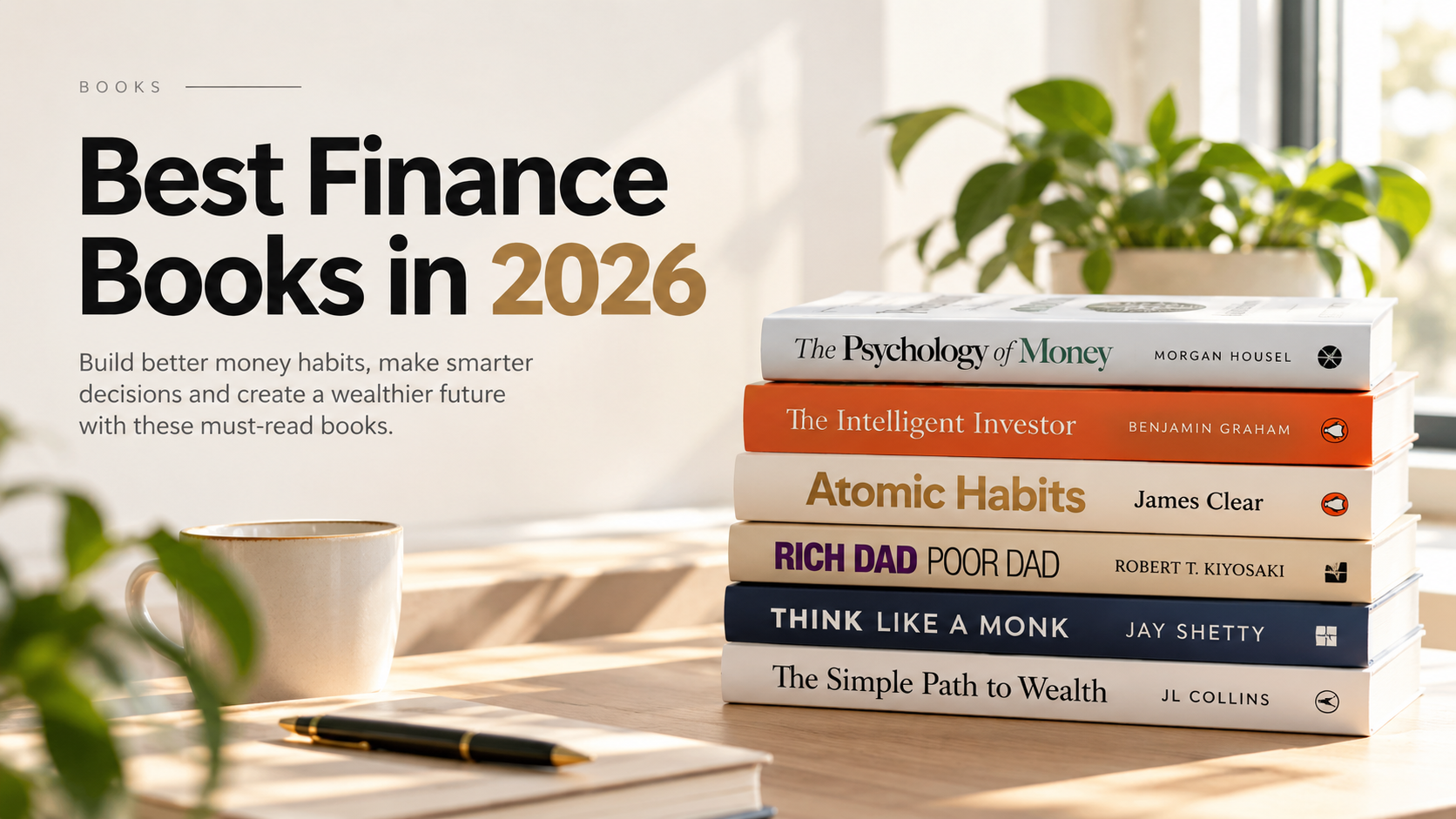
The best finance books to read in 2026: The Psychology of Money, Atomic Habits, The Intelligent Investor, Rich Dad Poor Dad and more, with what each one teaches.
Good with money is a skill you learn, not a talent you are born with. The right books shorten the learning curve by a lot, because they hand you the mistakes and lessons of people who spent decades thinking about saving, investing and risk. Here are the books worth your time in 2026, what each one actually teaches, and where to start.
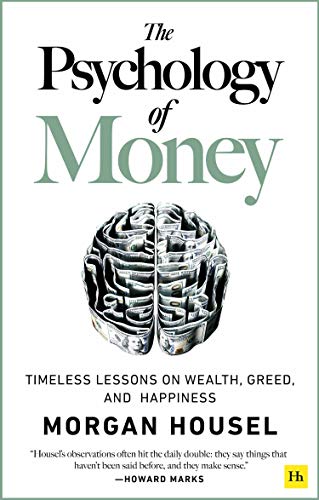
The Psychology of Money: behaviour before numbers
Morgan Housel's The Psychology of Money is the best first book on this list. It is built from 19 short stories about how personal experiences, emotions, risk and individual attitudes shape the financial decisions people make. The point it makes again and again is that doing well with money is less about being clever with spreadsheets and more about behaving sensibly over a long time.
Read it for the ideas you can apply the same week: save for the sake of saving, leave room for error, and understand that reasonable choices you can stick with beat clever choices you cannot. It is a paperback of 252 pages, and most readers finish it quickly because the stories carry the lessons.
Atomic Habits: the system behind the plan
Every financial plan eventually runs on habits, money set aside before you can spend it, a monthly review, a rule for what you do with every raise. That is why Atomic Habits by James Clear belongs on a finance reading list even though it is not a money book.
Clear writes about how small, consistent changes lead to long-term results, and gives practical techniques for building good habits and breaking bad ones. Habit stacking ties a new habit to one you already have, and the Two-Minute Rule shrinks a habit to two minutes so it is easy to start. Applied to money, that is how a savings habit actually sticks.
The Intelligent Investor: investing with a margin of safety
Benjamin Graham's classic is still the foundation of value investing. It is a working book rather than a quick read, and it teaches you to see a share as part of a business, to distinguish investing from speculation, and to protect yourself with a margin of safety, buying well below what something is worth so that being wrong is not fatal.
Some of its market commentary is dated, and Graham says so himself in the revised editions. The thinking underneath it is not dated at all. If you want to understand what people mean when they say an investment is cheap or expensive, this is where that vocabulary comes from.
Rich Dad Poor Dad: assets, liabilities and cash flow
Robert Kiyosaki's bestseller is the book that makes most readers look at money differently. Through the contrasting lessons of two father figures, it pushes the difference between an asset that puts money in your pocket and a liability that takes money out, and it argues that what matters is not how much you earn but what you do with it.
People argue with parts of it, and that is fair. Its core mental models, building assets and letting cash flow do the work, are still the first things many new investors learn to see clearly.
Think Like a Monk: clarity and discipline
Jay Shetty's book is about the mindset that money decisions sit on top of. Drawing on his years as a monk, it covers dealing with fear, building discipline, and making choices that follow your values instead of other people's expectations. Money stress is often a focus problem and a values problem before it is a maths problem, and this book works on that layer.
The Simple Path to Wealth: one plan that works
JL Collins wrote this book for his daughter, and it shows in how directly it explains things. Its message is deliberately simple: spend less than you earn, invest the difference in low-cost index funds, and leave it alone. It is a good antidote to the feeling that you need a complicated strategy before you can start.
How to read these in 2026
A reading order that works for most people:
- The Psychology of Money, to get your thinking about money straight
- Atomic Habits, to build the habits your plan depends on
- The Simple Path to Wealth, to understand a simple investing strategy
- The Intelligent Investor, when you want to go deeper into picking investments
- Rich Dad Poor Dad and Think Like a Monk, for the mindset side
One book at a time is better than six at once. Pick the one that matches what you are struggling with right now, take notes on what you will actually do differently, and put it into practice before moving to the next. The stack on the shelf only pays off when one of the books changes something you do on the first of the month.